Is a chartered architect worth it?
When planning a building project, one of the most common questions clients ask is whether appointing a chartered architect is really worth the cost. At first glance, it can feel like an additional expense, particularly when budgets are tight. In reality, a chartered architect often plays a crucial role in controlling costs, reducing risk, and delivering long-term value that far outweighs their fee.
Cost efficiency and long-term value
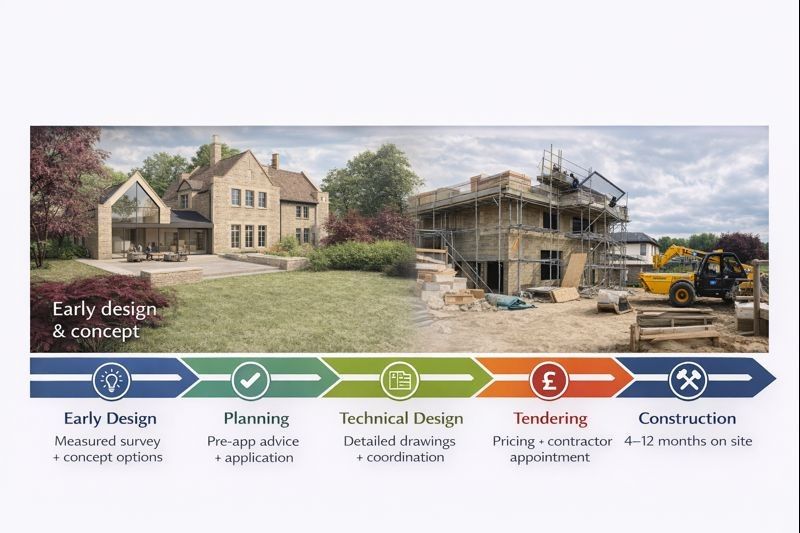
A chartered architect is best seen as an investment rather than a cost. The earliest stages of a project have the greatest influence over total build cost, quality, and performance. Good design decisions made early can reduce waste, avoid expensive changes during construction, and significantly improve build efficiency.
Rather than focusing purely on cutting costs, a chartered architect helps clients understand value. This means advising where money should be spent to improve durability, energy efficiency, spatial quality, and long-term running costs. Well-designed buildings tend to perform better over time, cost less to maintain, and hold their value more strongly on resale. In many cases, the architect’s fee is offset by savings achieved through smarter design and better-informed decisions.
Planning permission and regulatory expertise
For many clients, planning permission is one of the biggest sources of uncertainty. A chartered architect understands local planning policy, development constraints, and building regulations, and can identify potential issues before significant time or money is spent.
By preparing clear, well-considered drawings and supporting information, architects improve the likelihood of a smooth planning process. They also manage dialogue with planning authorities, respond to feedback, and negotiate changes where required. This expertise reduces the risk of refusal, delays, or costly redesigns, all of which can have a major impact on budget and programme.
Design that works as well as it looks
A chartered architect is trained to think holistically about buildings. Design is not just about appearance, but about how a space functions, how it feels to use, and how it responds to light, context, and long-term use. The result is a building that supports daily life rather than one that simply looks good on paper.
This balance of creativity and technical knowledge leads to spaces that are tailored to the client’s needs, adaptable over time, and carefully integrated with their surroundings. Thoughtful design at this level is difficult to achieve without professional architectural input.
Local knowledge and trusted professional networks
Another key reason a chartered architect is worth appointing is their local market knowledge. Architects develop long-standing relationships with local planners, engineers, builders, and suppliers. This allows them to recommend reputable local contractors who are appropriate for the scale and complexity of the project, helping clients avoid poor-quality or unsuitable appointments.
Architects can also advise on sourcing materials, fixtures, and finishes, drawing on practical experience of cost, availability, and performance. This guidance saves clients significant time and helps them make confident decisions without navigating the local market alone.
Professional accountability and peace of mind
The title “chartered architect” is protected. It confirms that the architect is fully qualified, experienced, and regulated, and that they adhere to a strict code of professional conduct. Chartered architects are required to carry professional indemnity insurance and undertake ongoing professional development.
For clients, this provides reassurance that advice is reliable, accountable, and in their best interests. It also offers an added layer of protection should issues arise.
Independent oversight during construction
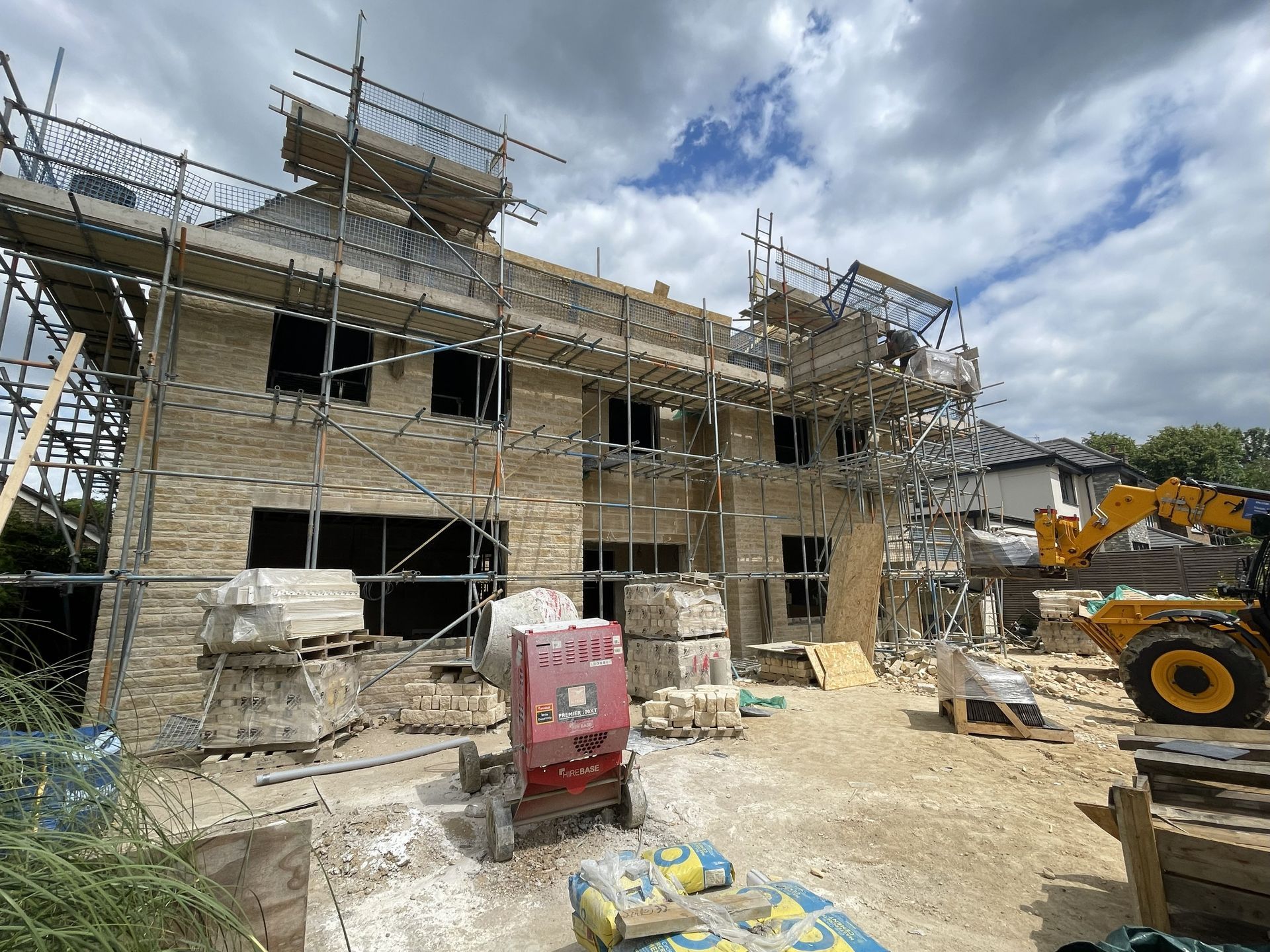
During construction, a chartered architect can act independently of the contractor, inspecting work on site and ensuring it aligns with the agreed design and specification. This oversight helps maintain quality, resolve issues early, and protect the client’s interests throughout the build.
So, is a chartered architect worth it?
In most cases, yes. A chartered architect brings cost control, planning expertise, design quality, local knowledge, and professional accountability to what is otherwise a complex and high-risk process. The result is not just a completed building, but a well-considered, well-delivered project that offers lasting value.